Thailand · Buying land
Buying land in Thailand: how to check a Chanote
Before paying a deposit on a plot in Thailand, match the deed, the land office record and the ground under your feet. Then check how you will legally reach the property and whether it can be used for what you have in mind.
Chanote and Nor Sor 3 Gor
A Chanote is a land title deed for a surveyed parcel. The Department of Lands explains the difference between a Chanote and documents such as Nor Sor 3 Gor and Nor Sor 3, which certify land use. Ask what rights can be transferred or registered for the actual document on offer.
If the seller says an upgrade is underway, ask for the current document and the status of the application. Base the purchase decision on the title and rights that the land office can verify today.
How to check a Thai land title deed
Ask for the front and back of the deed and enough information to identify the parcel. Use LandsMaps to locate the plot and compare its shape with the one you were shown. Save the parcel reference and the responsible land office for your next check.
Ask the land office or your independent Thai lawyer how to obtain the current registration record. Have them check the registered owners, the seller’s authority to sign and any mortgages, easements or other registered rights. Ask how any mortgage will be discharged at transfer.
| Check | Evidence to ask for |
|---|---|
| Parcel identity | The deed reference, map and, where needed, a boundary survey. |
| Ownership and obligations | The current registration record and evidence that the seller can sign. |
| Road access | Evidence of public access or the registered right over private land. |
Walk the boundaries and check road access
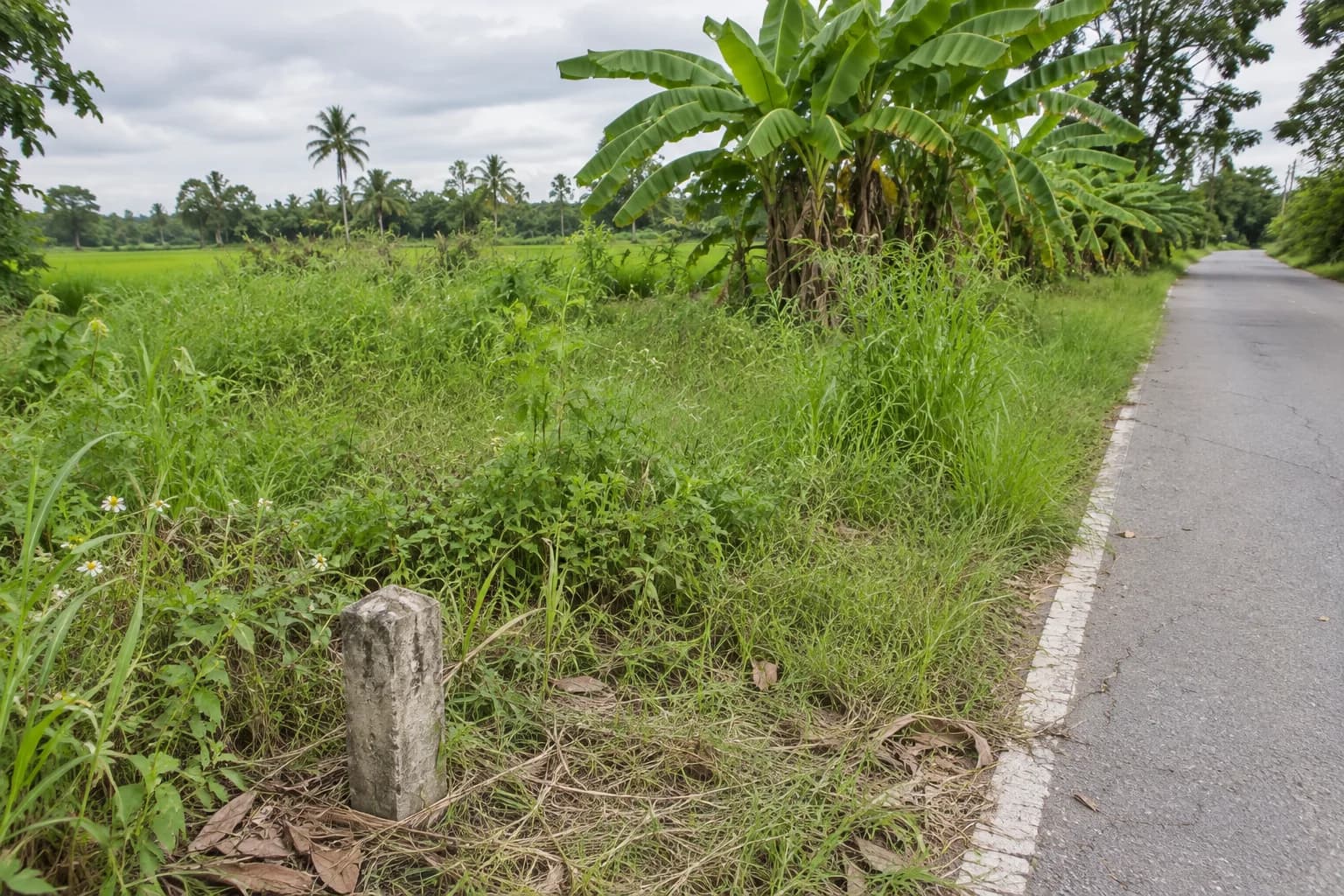
At the site, ask the seller to point out the boundary markers and walk the route from the public road to the plot. If the fence and the deed plan disagree, ask the land office about a boundary survey before agreeing to the purchase.
If the route crosses another parcel, check the recorded right of access, its width and the parcels it covers. If you plan to build, also check whether construction vehicles can enter and whether utility lines need to cross someone else’s land.
Can foreigners buy land in Thailand?
Foreign buyers generally face restrictions on owning land in Thailand. The Department of Lands describes limited exceptions with specific conditions. Before paying or signing, ask an independent Thai lawyer to confirm what you can legally acquire and register in your own circumstances.
If you plan to build, take the exact plot details to the relevant local authority and ask about permitted use, setbacks and approvals. A title check and a planning check answer different questions.
Questions to take with you
- Match the deed and parcel details to the plot you visited.
- Review ownership, signing authority, mortgages and other registered rights.
- Verify the boundaries and legal road access.
- Confirm buyer eligibility and intended use before committing.
How this guide was prepared
oyopo combines original architectural analysis with published information from architects and project teams. Sources identify the basis for project facts. The review date records the latest content check; design intentions and proposed facilities are distinguished from completed work. These articles are not site inspections or independent performance assessments.
Sources and further reading
Department of Lands land registration guidanceOfficial guidance on title documents and foreign ownership.
LandsMaps parcel searchOfficial map for locating a parcel.
Department of Lands servicesContact and service information for further checks.