England · Renting and handovers
Rental inventories in England: make check-in and check-out comparable
A list saying that a home contains a sofa and a cooker says little about their condition when a tenancy starts. A useful inventory connects identifiable items and surfaces with a clear description, date and opportunity to comment. This guide helps tenants, landlords and appointed agents organise that evidence in England. It is not a deposit-deduction calculator, a condition inspection by oyopo or a legal conclusion about responsibility for damage. Rules and dispute routes must be checked for the particular tenancy.
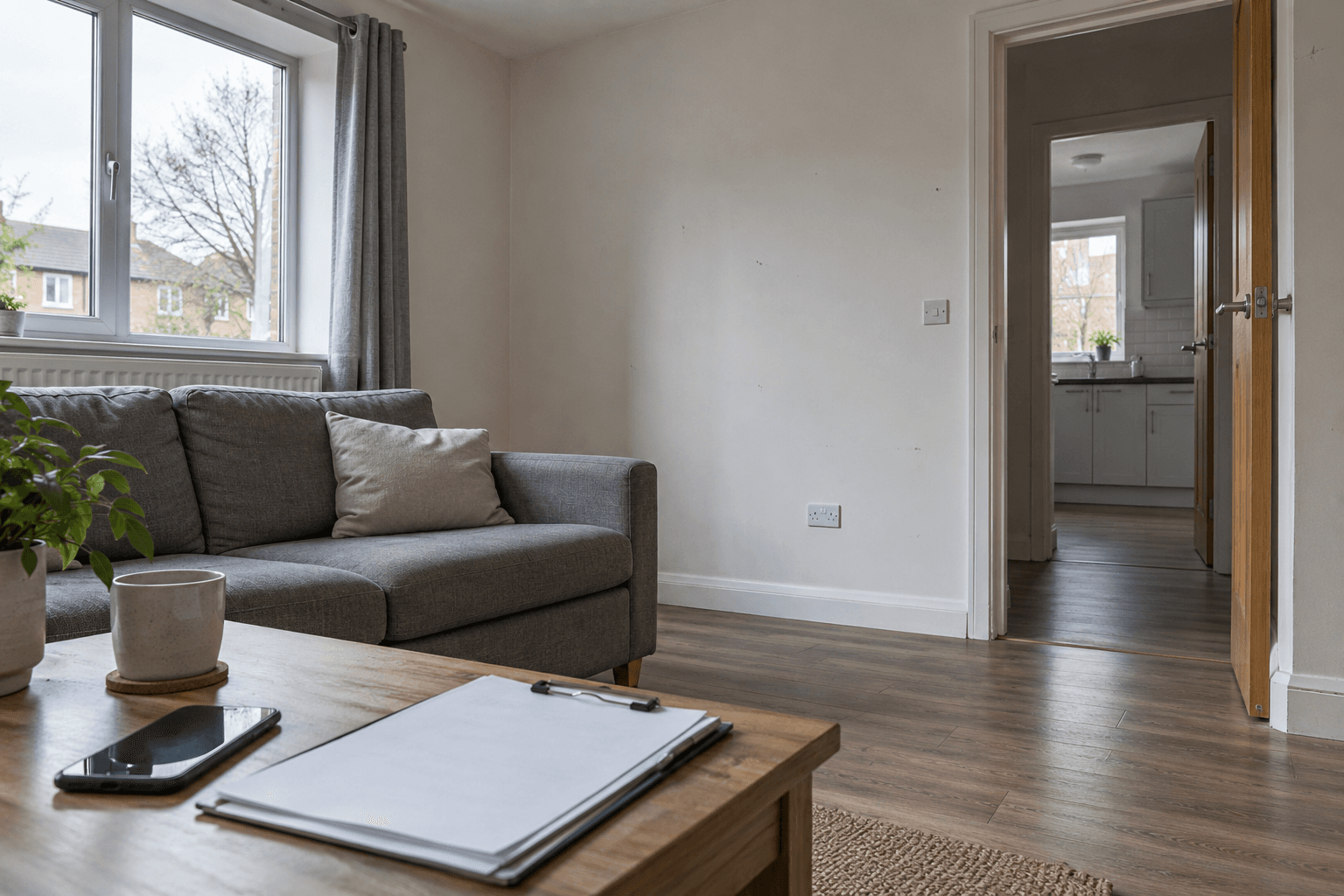
What should the inventory establish?
Record the starting condition, not just the presence of possessions.
The Tenancy Deposit Scheme explains that check-in and check-out records help compare a property at the beginning and end of a tenancy. Detailed descriptions are more useful than vague labels such as acceptable or fine. The comparison needs to concern the same identifiable place or item.
Use a consistent room order and reference system. Describe the relevant walls, flooring, fixtures, appliances and supplied items, with their condition and any existing marks. A furnished and an unfurnished property need different contents lists, but both need an intelligible record of condition.
How should photographs support the written record?
Give every useful image a location, date and purpose.
TDS identifies dated photographs and clear, detailed records as useful evidence. A large photo folder is not automatically easy to interpret: the reader still needs to identify the room, surface and feature being described. Keep the images connected to the written entries.
Take a wider view for location and a closer view where a particular issue needs recording. Avoid filling the file with private belongings or documents. Keep original files and a stable naming system; a marked-up copy can help discussion without replacing the original evidence.
| Entry | Useful description | Supporting record |
|---|---|---|
| Living-room wall L1 | Location and extent of an existing mark | Room overview plus a referenced closer image |
| Kitchen appliance K2 | Present condition and any issue observed | Identifiable item and date of observation |
| Bedroom floor B1 | Type of visible wear and where it occurs | Comparable view of the relevant area |
| Keys and supplied items | What was actually handed over | Number, description and handover confirmation |
| Unresolved correction | What the parties disagree about | Dated comment and the later response |
What if the check-in report is incomplete or wrong?
Raise specific corrections through the agreed channel and keep the response.
Read the report against the property rather than approving it from memory. Identify each proposed correction by room and reference, explain what you observed and attach relevant dated evidence. Ask how corrections are recorded and obtain a copy of the final version or the unresolved comments.
Do not invent a universal response deadline. Follow the actual instructions and seek advice if the process is unclear. Attendance or a signature does not turn an inaccurate description into a useful one; the aim is an honest record showing what was observed, what was agreed and what remains disputed.
What belongs in a separate maintenance record?
Keep later events traceable instead of rewriting the starting condition.
If a problem develops during the tenancy, report it through the intended maintenance route and retain the relevant messages. Record what was noticed, when it was reported and what response or work followed. Do not assume a maintenance request alone establishes the cause or responsibility.
Keep repairs, replacements and permissions linked to their dates. The condition at the start, an event during occupation and the condition at the end are distinct pieces of evidence. A later reviewer should be able to follow that sequence without guessing why the same item appears in several files.
Make maintenance reporting and records part of the property-management brief
How should check-out use the original report?
Compare the same locations and items with the recorded starting condition.
Shelter England advises comparing the check-in inventory with the check-out report and gathering evidence for disputed differences. Use matching room references so a change can be understood. A close-up at the end of the tenancy needs the starting context, not just a description of how the item looks now.
Where possible, clarify the inspection arrangements and opportunity to comment before the move. Record the return of keys and keep your own relevant evidence. An observed difference does not by itself decide a deduction: the parties or the applicable scheme still need to consider the issue and supporting material.
What makes an evidence file usable if there is disagreement?
Present a short chronology and the records relevant to the actual claim.
Build an issue list rather than sending an unlabelled archive. For each disputed item, identify the proposed claim, the starting entry, the check-out comparison, relevant communications and your explanation. Distinguish a fact recorded at the time from an opinion added later.
Ask the deposit scheme or appropriate adviser which process and submission requirements apply. Keep originals available and follow the requested route. This guide does not predict an award or prescribe a deduction for cleaning, wear or damage; it helps the decision-maker understand the evidence.
Questions to take with you
- Use the same room and item references throughout.
- Describe condition as well as presence.
- Connect relevant photographs to dated written entries.
- Check the report and record specific corrections.
- Retain a separate timeline of maintenance and replacements.
- Compare check-out with the actual starting evidence.
- Use the applicable dispute route without assuming an outcome.
Working brief: Rental inventories in England: make check-in and check-out comparable
Record the actual property, evidence, responsible person and unresolved decisions. Keep private documents in your own secure files.
Check-in
Record the version, inspection date, room references and unresolved comments.
Evidence
List photographs and documents supporting each important entry.
Events during occupation
What was reported or changed, when, and with what response?
Check-out comparison
Which differences are agreed, disputed or missing evidence?
How this guide was prepared
oyopo combines original architectural analysis with published information from architects and project teams. Sources identify the basis for project facts. The review date records the latest content check; design intentions and proposed facilities are distinguished from completed work. These articles are not site inspections or independent performance assessments.
Sources and further reading
Tenancy Deposit Scheme: A guide to deposits, disputes and damagesDeposit-scheme guidance on reliable check-in/check-out comparisons and supporting evidence. Used for evidence principles, not current tenancy reform or statutory-deadline advice.
Shelter England: Evidence for a deposit disputeTenant guidance on inventories, check-out reports and supporting evidence; check the applicability to the actual tenancy.